
Traveling or living in China as an expat comes with many surprises, but one of the biggest shocks for social butterflies is realizing that your favorite dating apps are suddenly stuck on a loading screen. The digital landscape in the People’s Republic of China is famously separated from the rest of the world by the Great Firewall, making it nearly impossible to access global platforms without the right tools.
If you are searching for the best VPNs for dating apps in Asia or specifically looking for a way to stay connected in China, you are likely dealing with a mix of connectivity blocks and location-based hurdles. Many users want to know how to use a VPN for Tinder location or find a way to change location on dating apps to secure a stable connection for dating while navigating these restrictions. You might have already experienced the frustration of a Tinder VPN not working when you need it most. In this guide, I will share the most effective ways to unblock dating apps, bypass geo-blocks, and maintain a secure connection so you can keep swiping and meeting new people without any technical interruptions.
VPN Life is operated by SNI members with deep expertise in the Chinese business landscape and daily life. Our team is stationed in cities such as Tianjin, Suzhou, Yuyao, and Nanchang, where we rely on VPNs for our day-to-day operations. Additionally, we conduct connectivity stability tests in major hubs like Beijing, Shanghai, Guangzhou, and Xiamen during business trips to ensure reliable performance across different local networks.
- Major Testing Regions: China (Tianjin, Suzhou, Yuyao, Nanchang, etc.)
- Testing Devices: iPhone, Android, PC, etc.
- Testers: VPN Life Operations Team
- Detailed Results: VPNs That Actually Work in China:Verified Results (Confirmed by Our Local Team)



Does Tinder or Bumble Work in China? Reality Check
Before we dive into the technical details, let’s address the most common question: do these apps actually work? The short answer is “Yes, but with a major catch.” Unlike using these apps in London or New York, the experience in China is a constant battle between the app’s location services and the national firewall.
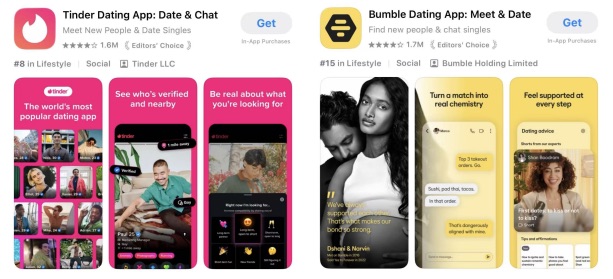
The Reality for Expats and Travelers
If you simply open Tinder or Bumble on your hotel Wi-Fi in Beijing without any preparation, you will likely see a blank screen or a “searching for people near you” animation that never ends. Even if the app manages to load via a lucky connection, your profile might not be visible to anyone else. The “Reality Check” is that while the user base in Tier-1 cities like Shanghai and Shenzhen is quite active, the majority of users are either fellow expats or locals who are also using VPNs to access the “outside” internet. This creates a curated, international bubble within the app.
The Prevalence of Scams
Another reality of the dating scene in China is the rise of sophisticated scams. Since these apps exist in a “gray zone,” they are often targets for “bar scams” or “investment bait.” You might match with someone who seems perfect, only for them to insist on meeting at a very specific, overpriced bar where you end up with a massive bill. Staying safe requires a combination of technical security (to hide your IP) and social common sense.
Note: Tinder and Bumble are not available on domestic Chinese app stores (like the Huawei or Xiaomi stores). You must download them from the Google Play Store or Apple App Store before you arrive in China or by using a VPN to access those stores while inside the country.
Why Tinder & Bumble can not be used in China?
The reason your apps aren’t working isn’t just a poor Wi-Fi signal; it is a complex combination of technical barriers designed to keep international platforms outside of the domestic network. Understanding these can help you choose the right solution for your specific needs, whether you are in Beijing, Shanghai, or anywhere else in the mainland.
The Great Firewall and Deep Packet Inspection
The Great Firewall (GFW) has become incredibly sophisticated, moving far beyond simple IP blocking. It now utilizes advanced Deep Packet Inspection (DPI) and machine learning to analyze your internet traffic in real-time. Unlike traditional firewalls that only look at where data is going (headers), DPI looks at the “payload”—the actual content and structure of the data packets. Even if your data is encrypted, the GFW can identify the specific “handshake” patterns or unique signatures of standard VPN protocols like OpenVPN, WireGuard, or IKEv2.
When the system detects these patterns, it doesn’t just block the site; it often resets your connection by injecting an RST packet or blacklists the server’s IP address within minutes. Since major dating app parents like Match Group (Tinder, Hinge) and Bumble Inc. do not host servers within mainland China to avoid local data localization and censorship laws, their entire domain ranges are permanently blacklisted. This means without a tool that can hide the fact that you are even using a VPN, the app will never get past the initial splash screen.
The Virtual vs. Physical Location Paradox
Dating apps present a unique challenge compared to static websites like Google or Wikipedia because they are fundamentally location-dependent. They rely heavily on your Global Positioning System (GPS) coordinates to calculate distances and show you people in your immediate vicinity. This creates a technical conflict: to bypass the GFW, you connect to a VPN server in a location like Los Angeles or Tokyo, giving you a foreign IP address. However, your phone’s internal GPS chip continues to report your actual physical coordinates in China.
This discrepancy can lead to several frustrating outcomes. For instance, Bumble may detect the mismatch and block your ability to swipe entirely, or default to showing matches near your IP address—which could be thousands of miles away. Tinder is generally more flexible but has become much stricter; it may “shadowban” your profile if it detects “impossible travel”—such as your account appearing in New York one minute and Beijing the next. This makes your profile invisible to others, even if everything looks normal on your screen.
Constantly switching your VPN location while a dating app is running in the background can trigger internal security flags. Modern apps are designed to combat “botting,” and jumping between countries in seconds is a major red flag that could lead to your account being permanently flagged or suspended.
Solutions to unblock Tinder & Bumble
Getting these apps to work effectively requires a two-pronged strategy: you must successfully bypass the network-level block while also managing your device’s location data so the apps don’t get confused. Here are the most reliable methods I’ve found that actually work on the ground.
1. Using Stealth VPN Protocols
To get past the GFW’s deep packet inspection, a standard VPN is no longer enough. You specifically need a provider that offers “obfuscation” or “Stealth” protocols. These protocols wrap your VPN traffic in an extra layer of encryption or mask it to look exactly like regular HTTPS web traffic (the kind used for online banking or shopping). This makes your connection indistinguishable from a user just browsing a secure website. For a deeper dive into the technical side of these tools, you might find our guide on the best VPN for China helpful for understanding how to stay one step ahead of the latest censorship updates.
2. International eSIMs and Roaming
A very effective and increasingly popular “hack” is using a foreign eSIM (from providers like Trip.com, Nomad, or Airalo). The magic of international roaming is that when you use data from a non-Chinese SIM card, your traffic is usually tunneled back to the home country’s network before it ever touches the public internet. This carrier-level routing effectively bypasses the Great Firewall entirely without the need for any VPN software. It’s often the most stable way to ensure apps like Tinder and Bumble load instantly.
Traveler Tip: While eSIMs provide seamless access to dating apps, they can be significantly more expensive per gigabyte than local Chinese data plans. Since dating apps are media-heavy—loading high-res photos and video loops—keep an eye on your data usage to avoid unexpected costs. I recommend using eSIM for swiping and switching to a local Wi-Fi with a VPN for heavier tasks like video calls.
3. GPS Spoofing (Android Only)
For those who want to “teleport” to a different city—perhaps to match with locals in Shanghai before a business trip while still in Beijing—or for those facing the IP/GPS mismatch issue, GPS spoofing is a powerful solution. Android’s open architecture allows you to use “Mock Location” settings. By selecting a compatible VPN or a dedicated spoofing app as your mock location provider, you can force your phone to report coordinates that match your VPN server. This creates a consistent digital identity that dating apps are much less likely to flag as suspicious.
Security Considerations
Using dating apps is a great way to build a social circle, but doing so in a highly monitored digital environment requires you to be mindful of your data footprint. Security isn’t just about accessing the app; it’s about protecting your identity while you use it.
Privacy and Data Logging
When you use a VPN, you are essentially trusting the provider with your data instead of your ISP. Some “China-optimized” services like LetsVPN are incredibly effective but have been known to throttle users for “abnormal operations” like torrenting, which suggests they may be monitoring traffic. For activities involving sensitive personal info, I recommend using providers with a strict, audited no-logs policy and jurisdictions that respect privacy, such as the Seychelles (Astrill) or the Netherlands (Surfshark). Avoid using free or unverified VPN apps found on random app stores.
The Legal Gray Area
While millions of people in China use VPNs every day, it is important to understand that the unauthorized provision of these services is restricted. For individual users—especially international visitors—the primary risk is having your service cut off during a crackdown, rather than legal trouble. However, it is always wise to be discreet. Avoid discussing sensitive political topics on these apps, and ensure your VPN is set up to “Kill Switch” mode, which prevents your real IP address from leaking if the VPN connection drops. For a broader look at the rules, you can read our detailed breakdown on VPN safety and legality in China.
Pro-tip for LGBTQ+ Users: The regulatory environment for domestic LGBTQ+ social platforms has become increasingly restrictive, with many local apps like Blued being removed from stores. This has made international platforms like Grindr or Jack’d vital for the community. Using a high-security VPN like Astrill’s StealthVPN is strongly advised to protect your privacy and ensure consistent access to these essential safe spaces.
The Best VPN Services for Accessing Tinder & Bumble Apps in China
Here are some excellent VPN services we recommend.
| 12VPX | UCSS | ExpressVPN | |
| Prices | 1-Month: $29.99 12-Months: $14.17/month ($169.99/yr) 24-Months: $11.25/month ($269.99/2yr) | Lite 1-Month: from $29.00 Standard 3-Months: from $36.00 / 12-Months: from $108.00 Global Edge (outside China) 1-Month: from $15.00 / 12-Months: from $120.00 | Basic: $2.99/mo Advanced: $3.99/mo Pro: $5.99/mo (2 Years + 4 Months plan, as of September 2026) |
| Money-back Guarantee | 14 days (first order only, under 5GB used) | No free trial (refunds per terms) | 30 days |
| Countries | 15 (31 locations) | 16+ (Standard) | 113 (214 locations) |
| Servers | Not disclosed | Not disclosed | Not disclosed |
| Maximum devices supported | 6 | 3 | Basic 10 / Advanced 12 / Pro 14 |
| Connection Speed | Ultra Fast | Ultra Fast | Fast |
| Security | AES-256 | AES-256 Kill Switch | AES-256 Kill Switch |
| Privacy | No-logging | No-logging (Excluding Korean servers) | No-logging |
| Support | 24/7 Email Support | 24/7 Email Support | 24/7 Live Chat Support |
12VPX (12VPN): VPN Renowned for Stability in China [Subscription Available from China!]
| Prices | 1-Month: $29.99 12-Months: $14.17/month ($169.99/yr) 24-Months: $11.25/month ($269.99/2yr) |
| Money-back Guarantee | 14 days (first order only, under 5GB used) |
| Countries | 15 (31 locations) |
| Servers | Not disclosed |
| Maximum devices supported | 6 |
12VPX is a VPN provider based in the Netherlands, particularly well-regarded for its reliable performance for users in China. A key strength is its dedicated link, allowing users to subscribe even from within China.
- Quick to adapt to internet restrictions in China
- Responsive customer support
- Can subscribe from within China via a dedicated link
- Generous 6 simultaneous connections
- Easy to operate via Google Chrome extension
- Relatively expensive
- Primarily need a VPN for use in China.
\14 day Money-Back Guarantee/

UCSS: VPN Optimized for China with a Reputation for High-Speed Connections

| Prices | Lite 1-Month: from $29.00 Standard 3-Months: from $36.00 / 12-Months: from $108.00 Global Edge (outside China) 1-Month: from $15.00 / 12-Months: from $120.00 |
| Money-back Guarantee | No free trial (refunds per terms) |
| Countries | 16+ (Standard) |
| Servers | Not disclosed |
| Maximum devices supported | 3 |
UCSS is a service operated by a South Korea-based security company, functioning more accurately as a Shadowsocks provider rather than a traditional VPN. It is reportedly managed by a multinational team of experts.
The service is specifically optimized for use in internet-restricted environments like China, priding itself on delivering stable connections and high-speed communication.
- Fast and stable connections
- Optimized for use in China
- High level of security
- Compatible with a wide range of devices
- Relatively expensive
- Data usage limits apply
- No money-back guarantee or free trial
- Fewer simultaneous connections
- Want to fully enjoy streaming services like Netflix while in China.
- Are looking to play online games in China without interruption.
- Require a consistently stable internet connection for work in China.
\Achieve a Seamless Online Experience!/

ExpressVPN: Ultra-fast Internet Speeds
| Prices | Basic: $2.99/mo Advanced: $3.99/mo Pro: $5.99/mo (2 Years + 4 Months plan, as of September 2026) |
| Money-back Guarantee | 30 days |
| Countries | 113 (214 locations) |
| Servers | Not disclosed |
| Maximum devices supported | Basic 10 / Advanced 12 / Pro 14 |
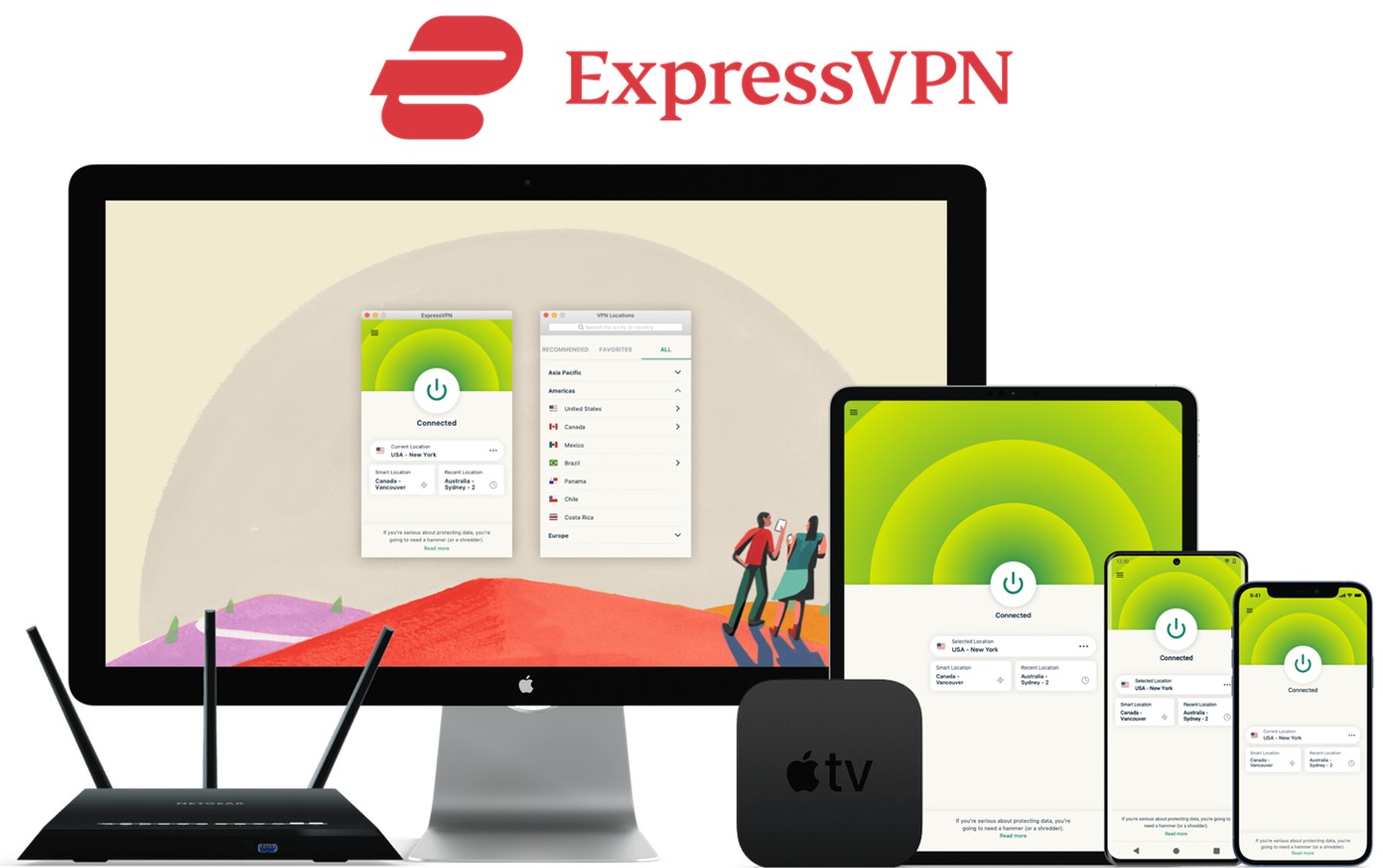
ExpressVPN offers some of the fastest internet speeds among the VPNs we have used. All VPNs may slow down your internet connection, but ExpressVPN is one of the fastest, and you rarely notice the difference. Review sites consistently rank ExpressVPN as one of the fastest VPNs. Additionally, with servers in 113 countries across 214 locations, you have a wide choice of countries to change IP addresses to. Real humans are available 24-hour live chat support to help you with setup and troubleshooting. ExpressVPN also has a no-log policy.
After you’ve registered with ExpressVPN, you can use it to easily browse the internet just by downloading their app.
- Excellent speed and stability
- Fast and user-friendly app
- Strict no-logs policy
- Wide range of server countries
- Accepts Bitcoin payments
- Slightly more expensive than competitors
- Place a high importance on internet speed
\30 day Money-Back Guarantee/
How to access Tinder & Bumble in China by Using a VPN
To access Tinder & Bumble in China , you need to follow three key steps. These steps ensure seamless access to the service even if you are in China.
- Register with a VPN (We highly recommend 12VPX).
- Download and Launch the App and Connect to a VPN server where Tinder & Bumble is accessible, such as the US or Japan.
- Open Tinder & Bumble App and login.
STEP1. Register with 12vpn
To register with 12VPX, click the “Sign Up Now” button as shown below. After the price plan is shown, follow the instructions.
Additionally, you can get 30% off your purchase by using our site’s exclusive coupon code: nsspirit.
STEP2. Connect to a VPN server in Japan
After registering with 12vpn, download and launch the app. Next, connect to a server in Japan, such as Osaka or Tokyo.
We tried a server in Osaka, Japan. It works well.

STEP3. Open Tinder & Bumble Apps and login.
With your VPN connection active, open the Tinder or Bumble app. You will be able to use these services even you are in China.
FAQs
Here are some of the most common questions when using VPN. Please remember that final decisions should be made based on your own research and the latest official information.
What is a VPN?
A VPN, also known as a Virtual Private Network, serves as a fortified bridge between your device and the vast world of the internet. It is a shield that protects your online activities and is widely used to ensure confidentiality and security.>> What is a VPN?
What else can a VPN be used for?
In addition to bypassing geographical content restrictions like accessing Abema TV from out of Japan, a VPN can also enhance your online privacy and security. Furthermore, it can be used to save money on subscription services like YouTube Premium and Netflix by allowing you to subscribe from regions where prices are lower. >>VPN Use Cases
Is it legal to use a VPN in China?
The use of a VPN may also be restricted by Chinese regulations and policies, so it needs to be used with caution. But as far as individuals are concerned, it is unlikely that they will be caught if they are just accessing the internet across borders, playing games or browsing the web for personal use. >> Is it Legal to Use a VPN in China?
Can I use a free VPN?
We recommend opting for paid VPN services for better privacy and security. Free VPNs may not provide clear information on how they manage log traffic data, and there’s a higher chance they might track your data. Paid VPNs typically offer superior performance, more features, and enhanced security.>> Free VPNs vs. Paid VPNs
Conclusion
Modern dating in China is a unique blend of romance and technical problem-solving. While the Great Firewall is a formidable barrier, it is certainly not insurmountable. By choosing a tool with proper obfuscation and managing your device’s location data correctly, you can stay connected to the global social scene without compromise. Whether you are looking for long-term stability or a quick fix for a short trip, the options are better than ever.
Always remember that the digital landscape in China can change overnight. I highly suggest having a backup tool installed just in case your primary VPN faces temporary downtime. The final technical setup and choice are yours to make based on your risk tolerance and needs. Accurate information should always be confirmed on the official provider websites. Happy swiping!